Valero Tells Benicia City Council Its 15+ Years of Dangerous Emissions Didn’t Warrant Notification, Says It Didn’t Realize That Vent Needed To Be Monitored
Representatives from both the Valero refinery and the Bay Area Air Quality Management District (BAAQMD) appeared in front of the Benicia City Council Tuesday night after revelations came out that the refinery had been emitting harmful, excessive levels of hazardous chemicals for nearly 16 years before BAAQMD says it became aware of them. Council and community members also grilled BAAQMD for failing to notify Benicia as soon as it found out about the emissions in 2018. The mayor of Benicia and other city leaders say they were not informed of the problem until January of this year.
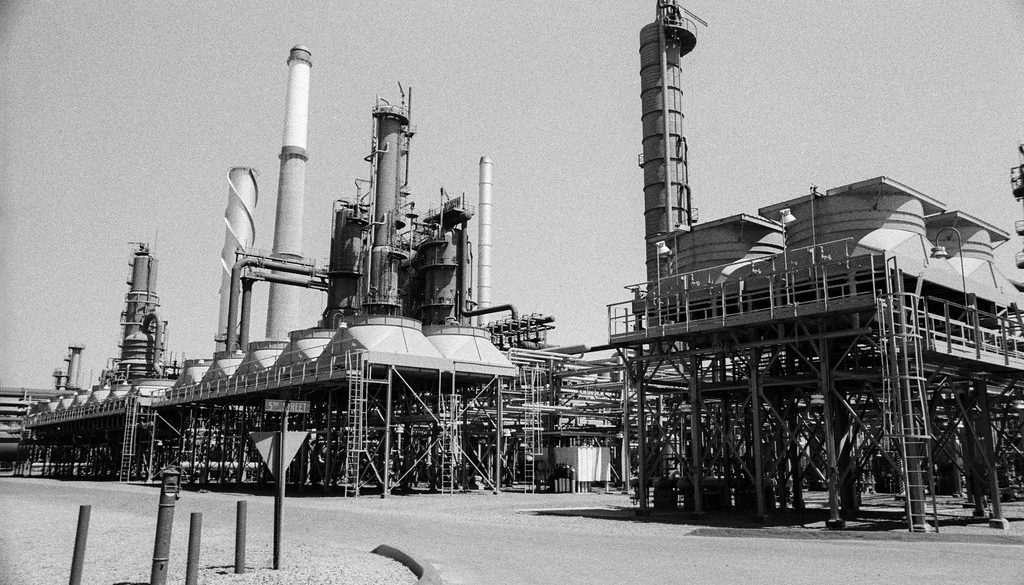
BAAQMD began its PowerPoint presentation to the council with a picture of Valero’s byzantine system of pipes, storage tanks, chimneys, towers, vents, and smokestacks with a red arrow pointing down to one of them. Under the arrow stood a slim, vertical pipe emitting a poof of smoke that the air district claims it had thought was merely a steam vent. As it turns out, that innocuous vent had been emitting pollutants at hundreds of times the daily limit since 2003.
According to BAAQMD, Valero had been releasing benzene, ethylbenzene, and other organic compounds considered hazardous. District rules set a cap on such emissions at 15 pounds per day and a maximum of 300 parts per million. What the district discovered was that Valero had been emitting an average of 5,200 pounds per day and 19,148 parts per million.
The presentation given to council was an attempt of the air district to “be more transparent,” something they say they are committed to in the wake of the revelations.
“We should have done better and we should have done better sooner,” said Damian Breen, BAAQMD’s senior deputy executive officer of operations.
Joshua Tulino, general manager of the Valero refinery in Benicia, told the council and community that they too were unaware of the emissions until 2018 and “immediately” administered piping modifications that solved 71 percent of the hydrocarbon emission issues. He also said that since then, Valero has reduced the emissions by 98 percent.
Tulino maintained that informing the community about dangerous emissions is an “obligation” they take seriously but that “this source of emissions did not fall into that category.”
The general manager also said that they were not aware that the vent was a source that needed to be monitored.
Benicia Mayor Steve Young asked Breen why the air district didn’t release the information it had gathered as soon as it found out and questioned how they could identify toxic releases and not tell the city.
Breen said that they notified the county and “hazmat” people but that they “should have done better” about notifying Benicia.
“That’s why you see us changing our policies here.”
The changes Breen referenced are holding more public hearings when violations occur, increasing transparency, keeping communities better informed, and monitoring refineries “better.”
As part of this effort, BAAQMD will be holding a public hearing about these Valero violations on March 15. The air district will also be installing a remote air monitoring station in Benicia near the Fire Museum at 900 East Second Street, a move that was unanimously accepted by the council on Tuesday.
Copyright 2022 Bay City News Service